JavaScript seems to be disabled in your browser. For the best experience on our site, be sure to turn on Javascript in your browser.
The Indian spinning sector is witnessing a sharp gap in asset-heavy legacy operations and diversified investment portfolios, a trend epitomized by Rajapalayam Mills’ recent fiscal performance.
The formalization of the 2,052 km Surat-Dankuni Dedicated Freight Corridor (DFC), marks a shift in India’s textile value chain, targeting the structural inefficiencies that have long hindered global competitiveness.
Following the government’s decision to impose 50 per cent reduction in Remission of Duties and Taxes on Exported Products (RoDTEP) benefits, effective February 23, 2026, the textile industry is feeling immense pressure.
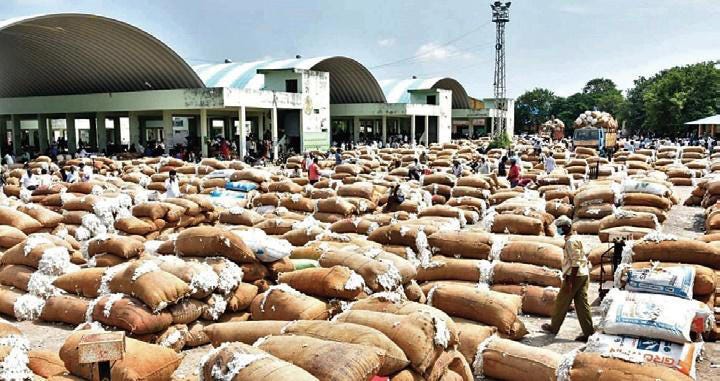
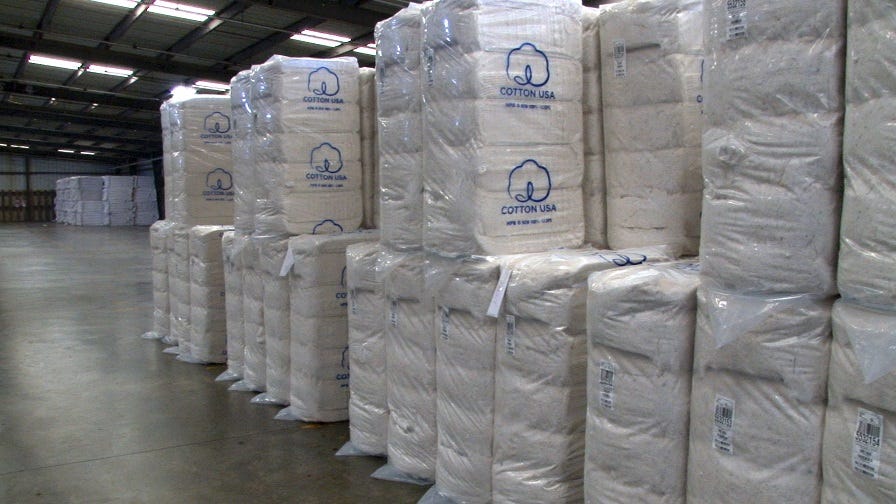
The US has strengthened its position as the nation's primary cotton supplier. The Directorate General of Commercial Intelligence and Statistics (DGCI&S) stats reveal, India’s cotton imports for the 2024-25 season reached a historic five-year peak of 4.13 million bales, valued at approximately Rs 11,989 crore.
In order to reinforce India’s standing in the global apparel trade, Reliance Industries is advancing its 880-acre textile park in Palghar, Maharashtra.
Sumeet Industries has reported resilient financial performance in Q3, FY26, with a 115.38 per cent Y-o-Y rise in EBITDA, which reached Rs 16.66 crore.
A 4 per cent spike in global spandex prices during the opening weeks of 2026 has led to fresh operational hurdles for India's stretch-textile value chain.
The Confederation of Indian Textile Industry (CITI) has signaled a new era for the domestic cotton value chain following the India-US trade deal. By lowering US tariffs on Indian textile and apparel products from 50 per cent to 18 per cent, the agreement provides a 2 per cent competitive advantage over regional peers like Vietnam and Bangladesh.
The Gujarat government has strengthened its commitment to industrial modernization by increasing the budgetary outlay for the textile sector to Rs 2,755 crore for FY26-27.
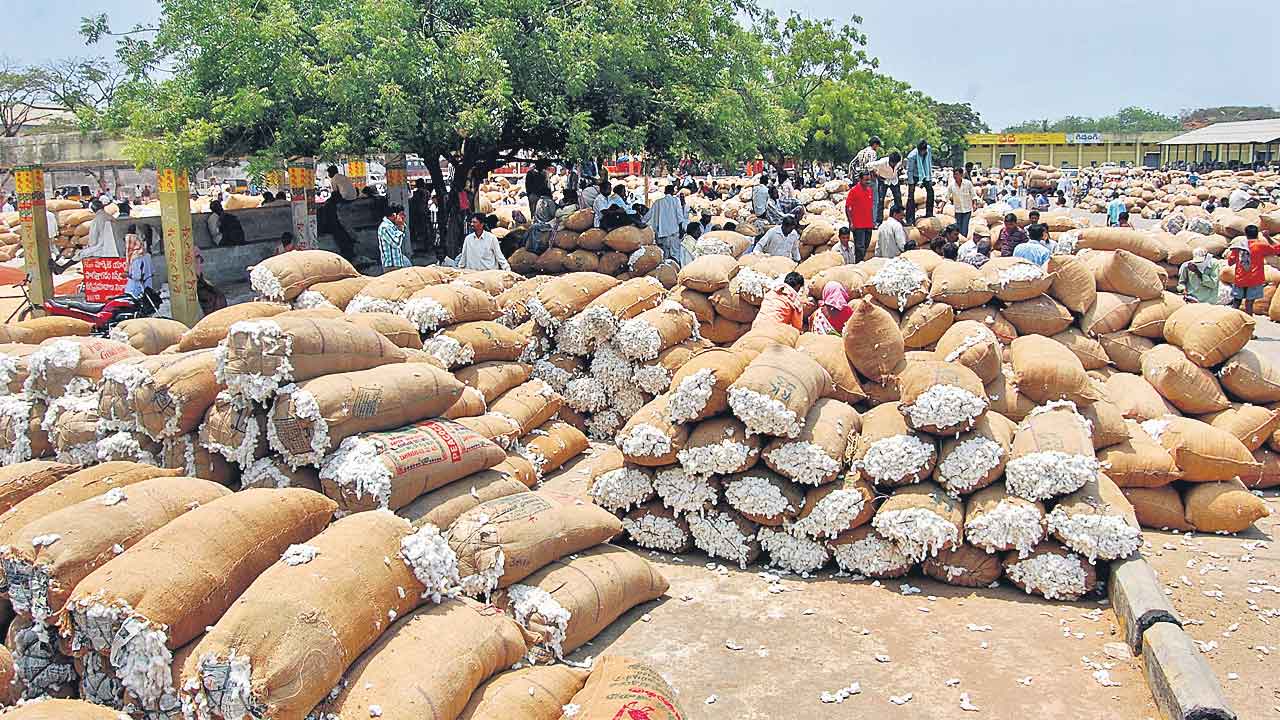
The Cotton Corporation of India’s Rs 11,800 crore procurement in Telangana, totaling 29.50 lakh bales for the 2025-26 season, has shifted the regional focus from raw commodity security to high-value textile processing.
Domestic cotton yarn trade in Northern India, particularly across the hubs of Ludhiana, Delhi, and Panipat, remains lackadaisical due to persistent liquidity crunch and payment stress as the FY25-26 enters its final quarter.
The Union Budget 2026-27 has given a push towards operationalization of seven PM MITRA (Mega Integrated Textile Region and Apparel) parks, targeting a structural reduction in production costs that have historically hampered Indian spinning mills.
With the natural fiber market facing a decline, the global textile industry is shifting to advanced synthetic and regenerative blends to maintain supply chain continuity.
While the sluggish demand environment continues to weigh on the broader textile industry, Banswara Syntex’s performance stands apart as it shifts to high-margin, value-added segments.
The 15th edition of SIMA Texfair scheduled for March 6-9, 2026, in Coimbatore, is shifting the industry's focus toward shop-floor resilience and maintenance excellence.
As FY26-end approaches, South India’s spinning hubs in Tiruppur and Coimbatore are facing a severe liquidity crunch, with a 3.75 per cent Y-o-Y decline in broader textile exports.
Trident Limited reported a 44.77 per cent Y-o-Y decline in consolidated net profit, falling to Rs 44.2 crore for Q3, FY26 ended December 31, 2025.
Padam Cotton Yarns is finalizing capital infusion to sustain its operational turnaround.
The Confederation of Indian Textile Industry is shifting focus from a volume-driven model to a high-value, quality-centric ecosystem with the launch of two new initiatives at the Bharat CotNet 2026 summit in Bhilwara. Aiming to establish three to five model hubs per district, these initiatives focus on developing Extra Long Staple (ELS) varieties and scientific agronomy. By integrating blockchain-based traceability and soil regeneration techniques like biochar, the sector seeks to reverse the 3.75 per cent decline in January exports and target a larger share of the $263.5 billion global premium fiber market.
Ganesha Ecosphere is facing complex fiscal situation with a divergence between its core manufacturing performance and consolidated financial outcomes.
Items 501 to 520 of 2583 total
Add our app to your home screen for quick and easy access when you're on the go.
To install this app on your iPhone, you need to open it in Safari browser.